It was about three or four years ago. I would be playing my normal golf game, sometimes hitting greens sometimes not. I like to be rather aggressive on approach so, naturally, I would end up in some bad positions. Short sided on the other side of bunkers, water between myself and the pin, sides of hills, all sorts of spots. I would always be at a loss for how to actually get the ball close to the hole to try and have a makeable putt. Chipping was really the only choice I had in those moments so I would continually lose strokes around the green because I couldn’t get it close. That’s when I decided to understand a powerful recovery shot: the flop shot. A high shot, used typically around the greens, that lands soft with little to no roll-out. The flop shot allows you to attack short sided pins more often and save strokes around the green.
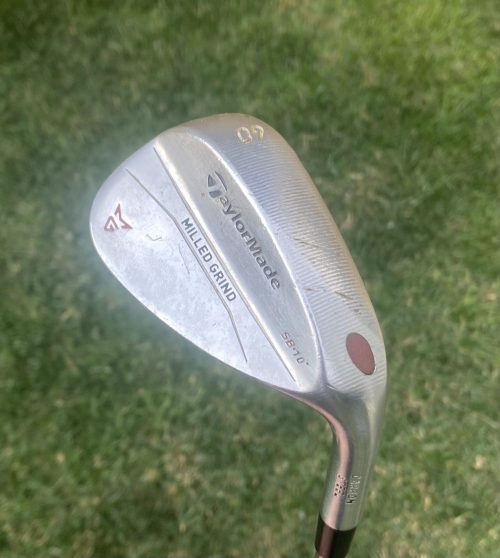
- First: You’ll want to make sure you have a high lofted wedge (I have typically had good success with a 60 degree). If you don’t have access to to a 60 degree, you can open the face of a lower lofted wedged like 58 or 56. Just make sure that you set the club face square to the target as you are opening it up.
- Second: You want to make sure you have read and have a good understanding of the lie you have. Typically, it is easier to hit this shot out of the rough as the club head can slide under the ball easier compared to if it was in the fairway or shorter grass.
- Third: The setup. For a flop shot, I have found good success in setting the ball up forward in my stance, almost inline with the instep of my lead foot. I then put a majority of my weight on my lead side, almost similar to hitting a greenside bunker shot. I try to remove any kind of pre set shaft lean, as you want to club head to release a bit earlier to be able to slide underneath the ball, sending it into the air. Then, you almost want to open your stance a little bit and swing along your shoulder line so you can really use the bounce on your wedge.
- Fourth: Length of Swing and Swing Speed. The length of the swing is something I have also experimented with when it comes to trying to hit flop shots. My two cents: the longer the swing, the further the ball with go. To be on the safe side, I will go about hands and arms just above parallel on the way back. If I am trying to get the ball a little further, then I will try to make the backswing longer. As far as speed, you cannot be afraid to add speed at the bottom of the swing. That’s how the club head will be able to slip underneath the ball, popping it into the air. Thinking of releasing the club head a little earlier than on full shots (kind of like a bunker shot) is a great swing thought as well.
The flop shot takes a LOT of practice. I spent months in the short game practice area working on trying to get the ball over a bunker and landing, but stopping quickly. I can’t tell you the amount of times I skulled range balls into the trees beyond the green. Incorporating the feels in your hands to hit it consistently takes time, but as you grow in confidence around the greens, I promise that your scores will drop.
 Mark Roberts Golf